Artist profile , Archive record

Christopher Owyecha

A Kenyan painter and visual artist whose journey began as a front desk administrator at Nairobi's iconic Gallery Watatu before transitioning into a full-time, internationally recognized artist.

Born 1960–1961 Kenya Painting, Drawing/Sketching, Sculpture-influenced visual art
Also known as Chris, Chief,
Training Self-taught / Informal observation at Gallery Watatu
Mentor Charles Sekano (and early encouragement from Modi)
Christopher Owyecha

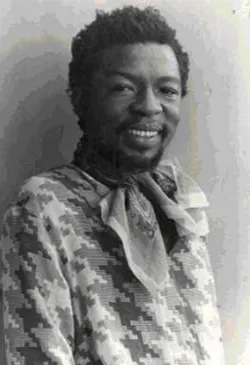
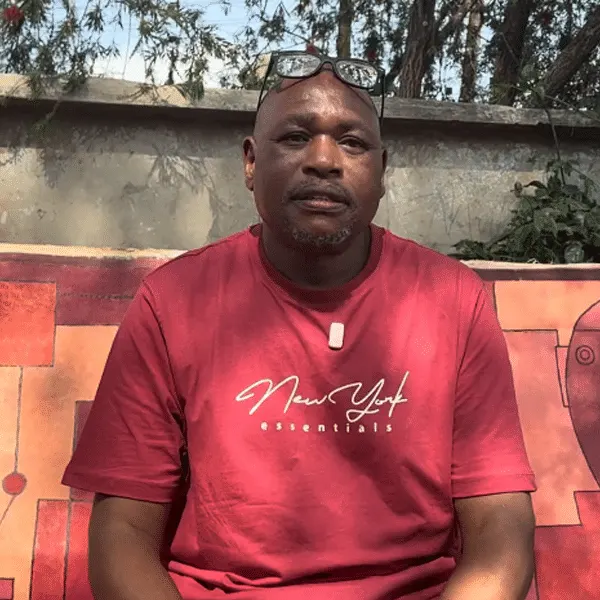
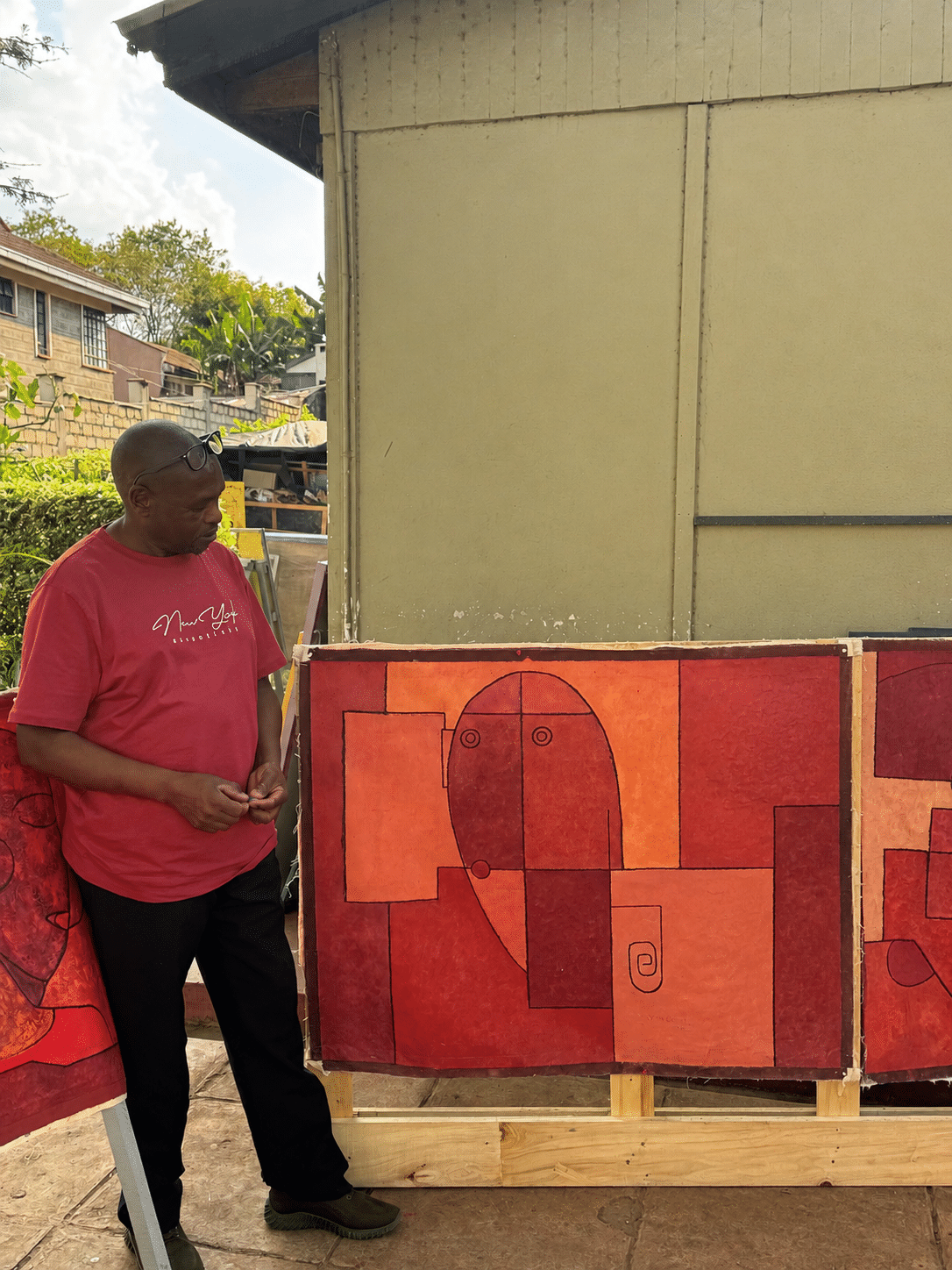
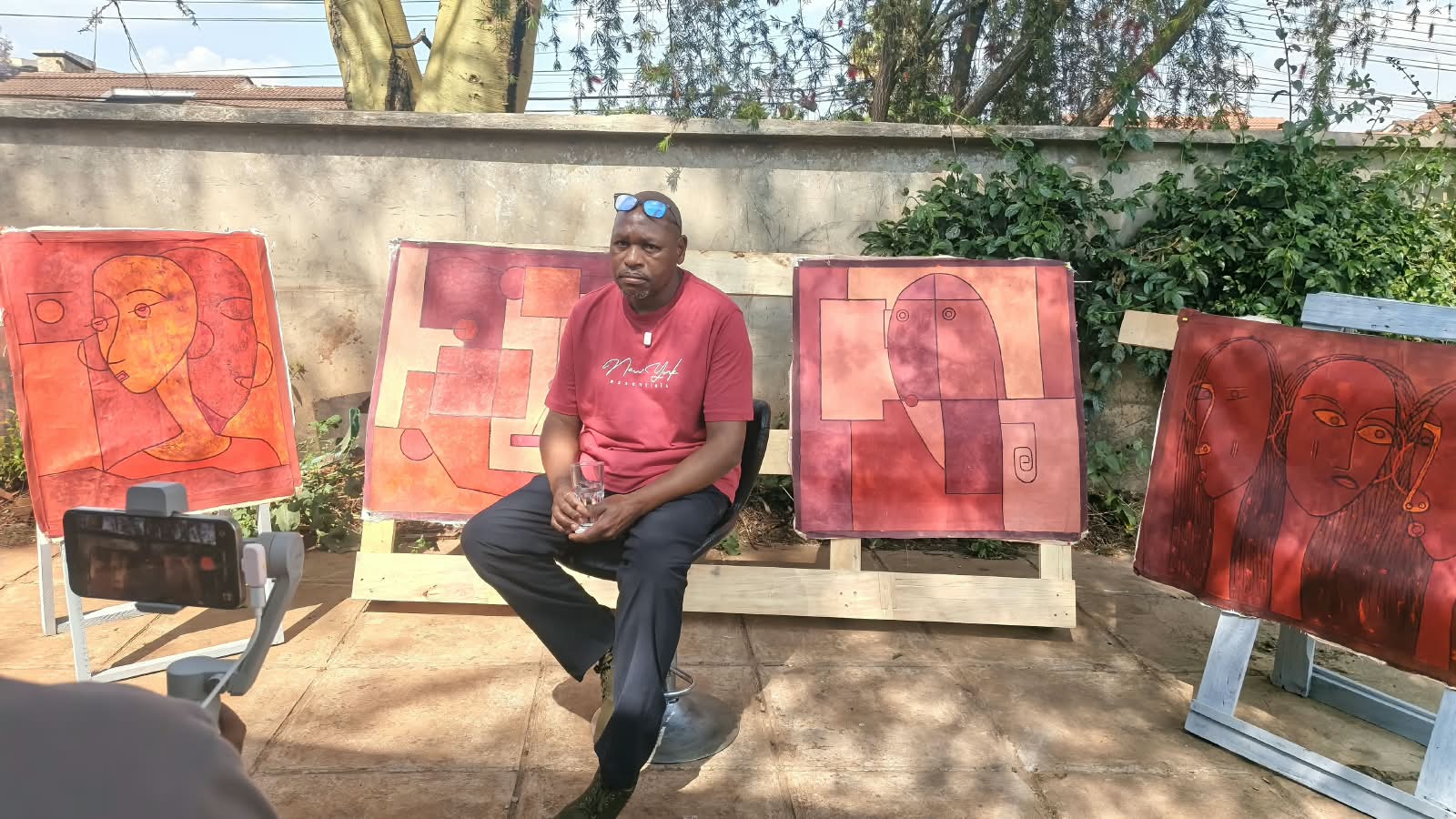
01 - Visual record

Artist photographs


02 - Introduction

The artist behind the stories


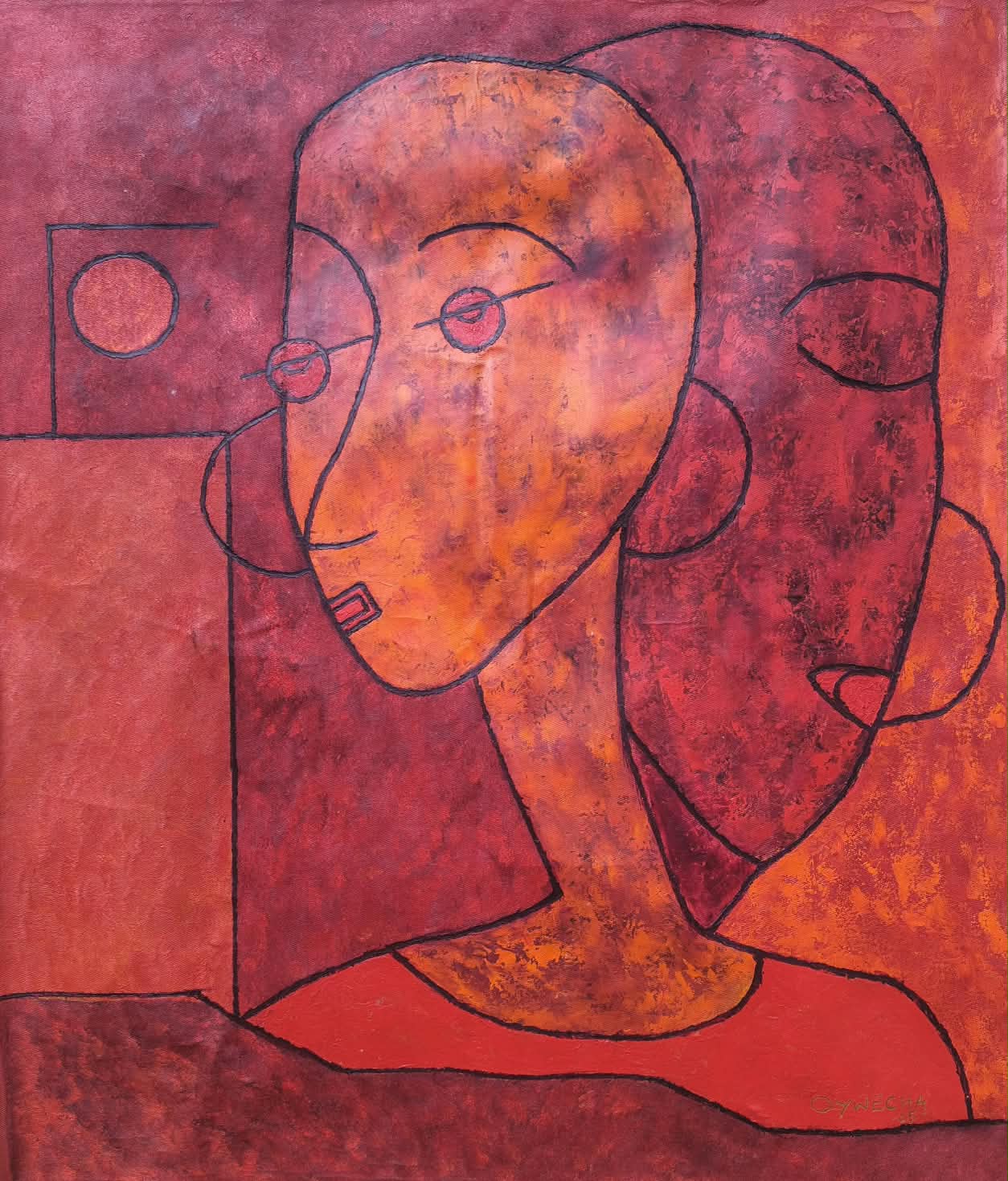
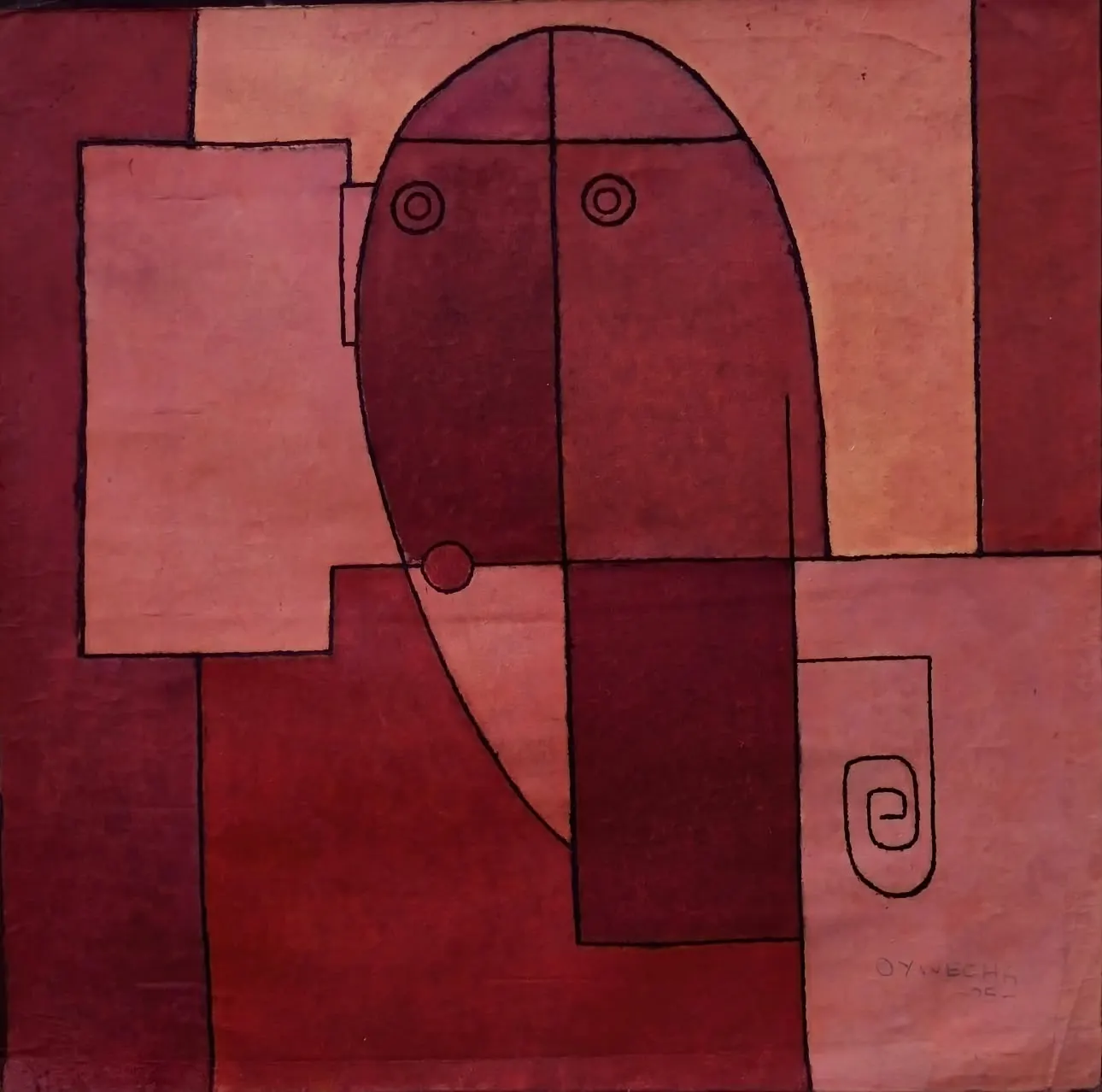
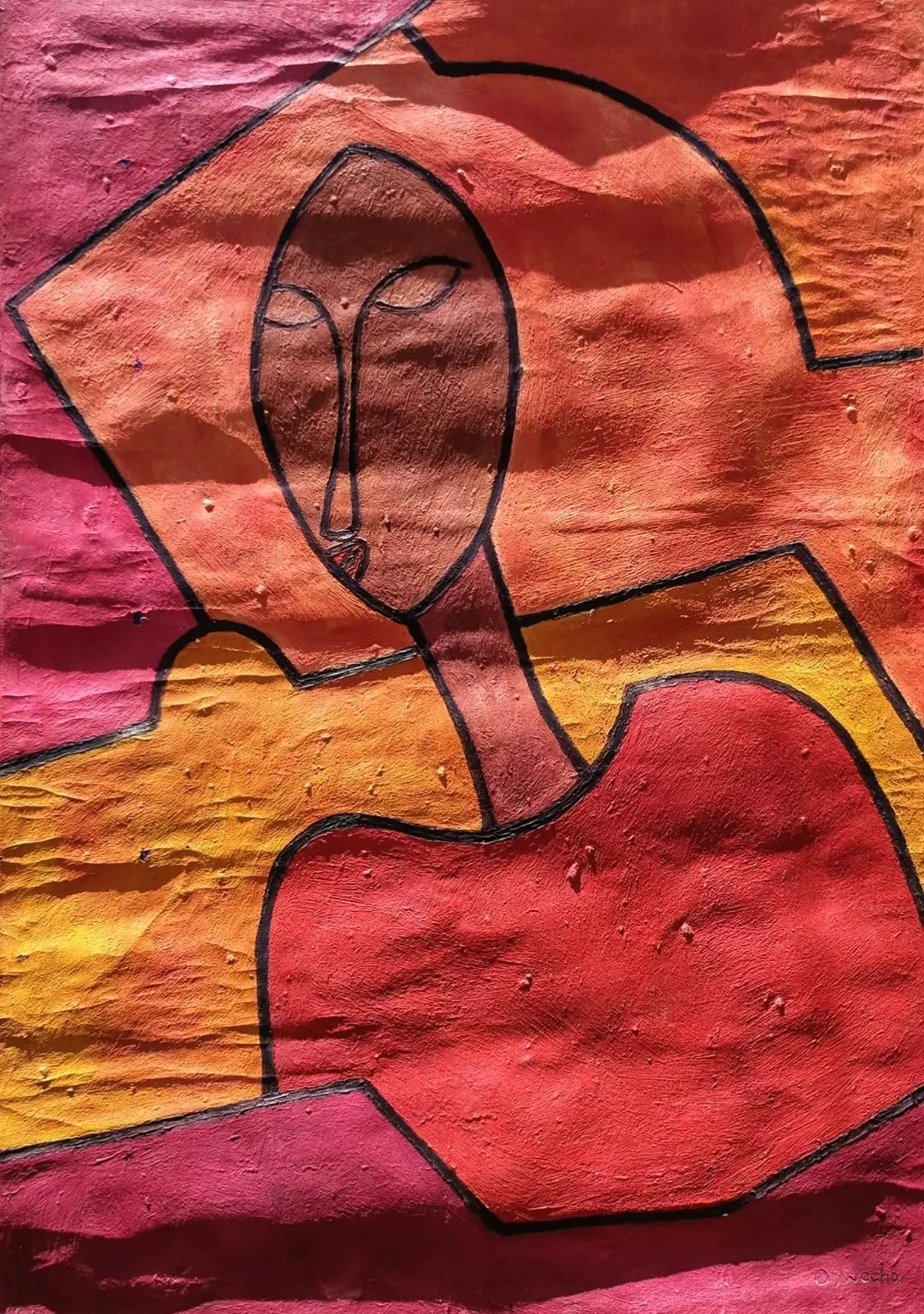
Heavily shaped by his environment at Gallery Watatu and influenced by South African artist Charles Sekano, Chris utilizes rich African color palettes, sculptural lines, and cubist/impressionist inspirations to explore themes of femininity, human relationships, and social developments.


At a glance

artist's full name
Christopher Owyecha
also known as
Chris, Chief,
born
1960–1961
birthplace
Kenya
nationality
Kenyan
medium
Painting, Drawing/Sketching, Sculpture-influenced visual art
education
Primary education (began in 1971); O-Levels (Form 1–4, completed in 1983); A-Levels (Form 5–6)
training
Self-taught / Informal observation at Gallery Watatu
mentor
Charles Sekano (and early encouragement from Modi)
gallery watatu
Worked as a front reception clerk and counter administrator under Ruth Schaffner
known for
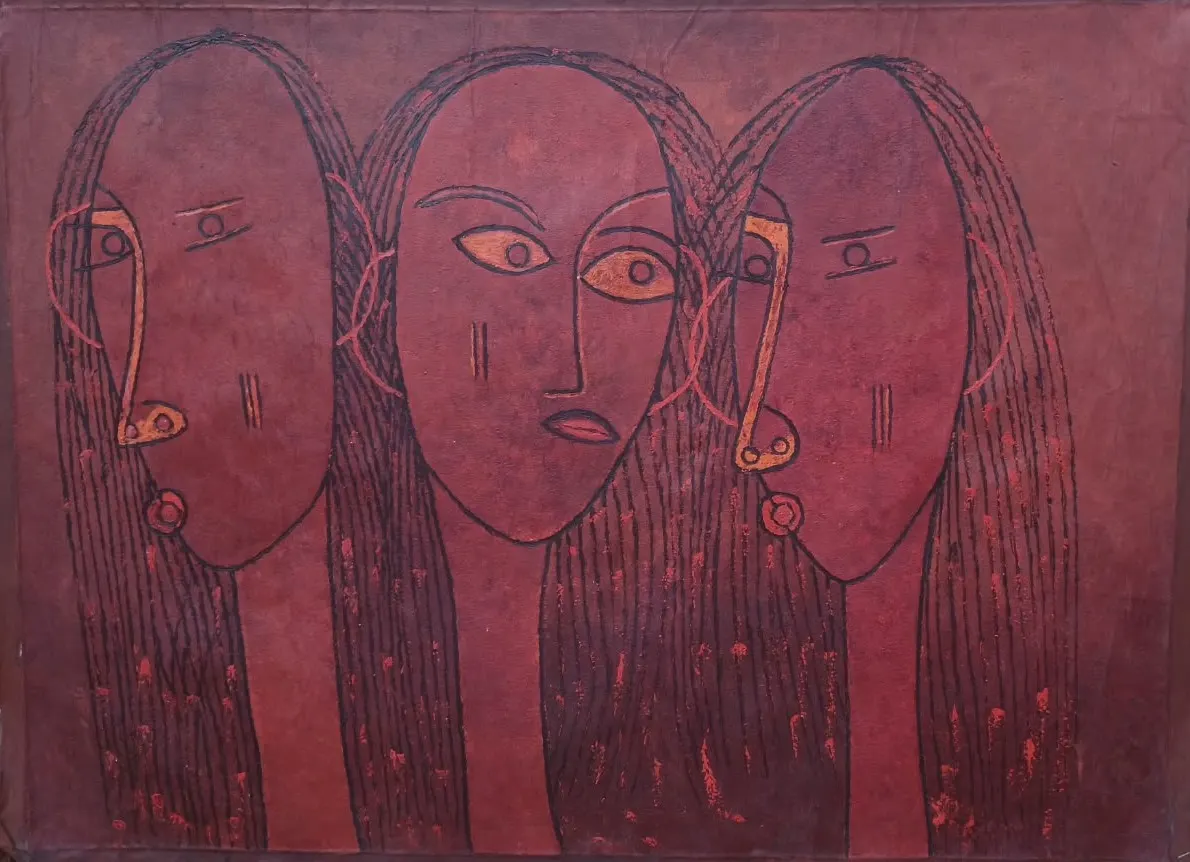
Vibrant African color dynamics, female figure/torso motifs ("feminism"), a recurring focal point ("central eye"), and sculpturally influenced line work
notable exhibitions
Trio (depicting three female figures / torsos), Paintings exploring Millennium / MDG Goals
active period
1990s–Present

Biography

Starting primary school back in 1971, he walked 10 kilometers every morning to get to school. He often followed his elder brother, who left as early as 5:00 AM. Because he was younger, he would wait outside the classroom during morning prep until 8:00 AM when the other children arrived, a routine he describes as an early lesson in discipline.

He pursued standard secondary schooling, completing his Ordinary Level (Form 1 through Form 4) in 1983. Following O-Levels, he completed Advanced Level (Form 5 and Form 6) education under the former Kenyan educational system.

His initial exposure to creative work began with basic art and craft classes in primary school. He received no formal tertiary fine art degree; instead, his real-world training occurred on the job at Gallery Watatu, observing artists, reading visitor scribble books, and receiving direct encouragement from practicing artists.

His artistic awakening occurred at Gallery Watatu’s front reception desk. South African artist Charles Sekano (then living in Kenya) would visit the counter while waiting to see gallery director Ruth Schaffner. Sekano used to sketch in a reception guestbook and frequently challenged Chris, asking, “Chief, what are you doing? Do you mean you can’t paint?” This constant prompting by Sekano, alongside encouragement from Modi, awakened the artist within him.

However, because Ruth Schaffner required strict employment contracts for all staff, Chris was contractually forbidden from practicing or exhibiting as a commercial artist while working for the gallery. He had to suppress his creative output and hold back his knowledge until his contract ended.

After leaving his job at Gallery Watatu in the 1990s, Chris turned to art as a full-time profession and survival strategy. Having witnessed artists earning substantial income through the gallery, he applied the knowledge he had gathered during his administrative years to start painting and selling his own work.

Over the decades, his career grew beyond the local Kenyan market. He notes that his body of work gained wider recognition, leading to coverage on platforms like Wikipedia and affiliations with the World Art Calendar.

03 - Education

Education

1971
Commenced primary school, walking 10 km daily accompanied by his elder brother. Participated in early art and craft classes.
1983
Completed Form 1 through Form 4 under the Ordinary Level secondary education system.
—
Completed Form 5 and Form 6 under the Advanced Level secondary education system.
—
Received informal artistic training and observational learning while working as a reception administrator at Gallery Watatu under the mentorship and encouragement of Charles Sekano
04 - Artistic practice

Artistic practice

Materials

Canvas, paints (oranges, reds, yellows, and layered tones), paper/sketchbooks

Techniques

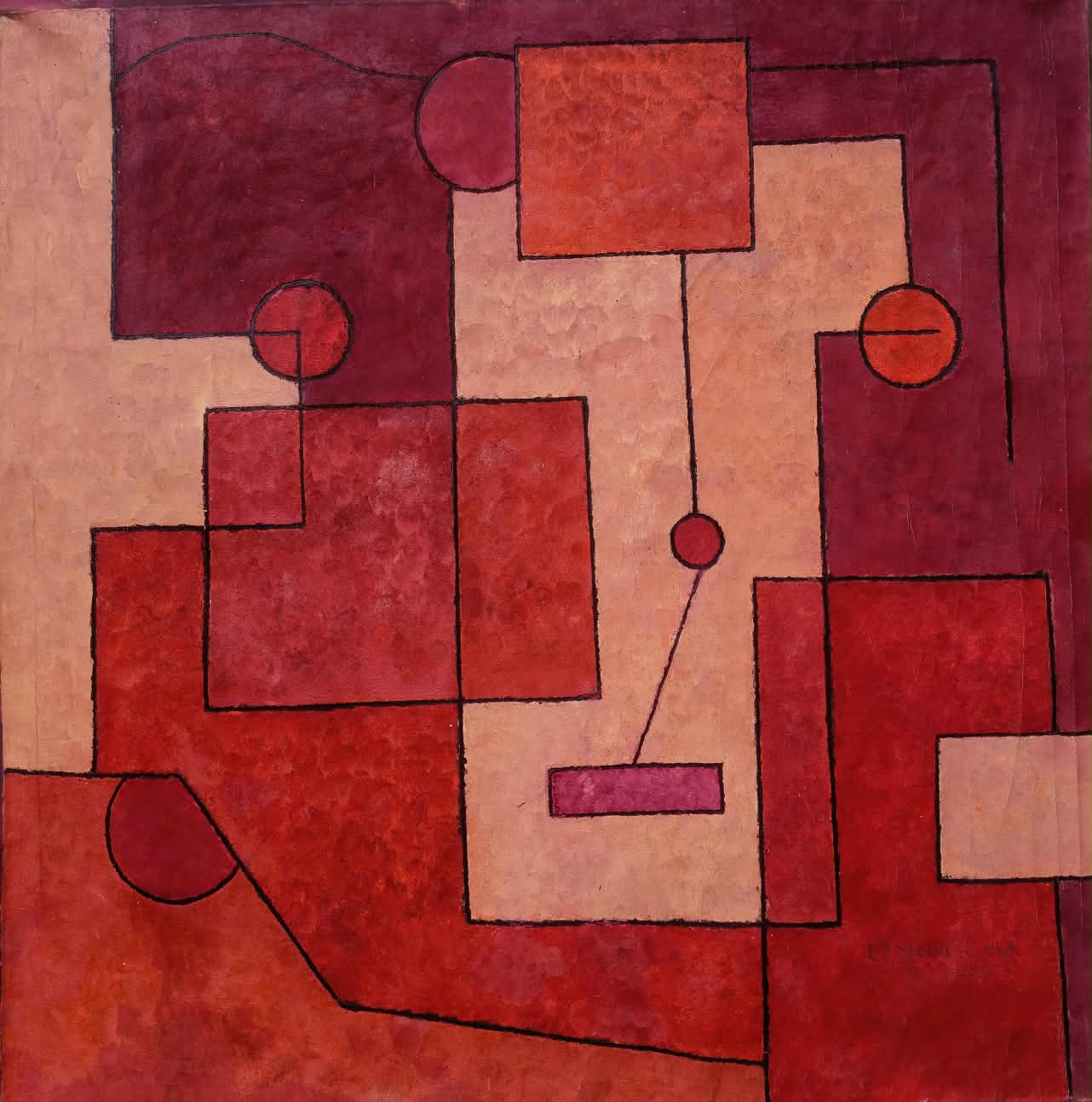
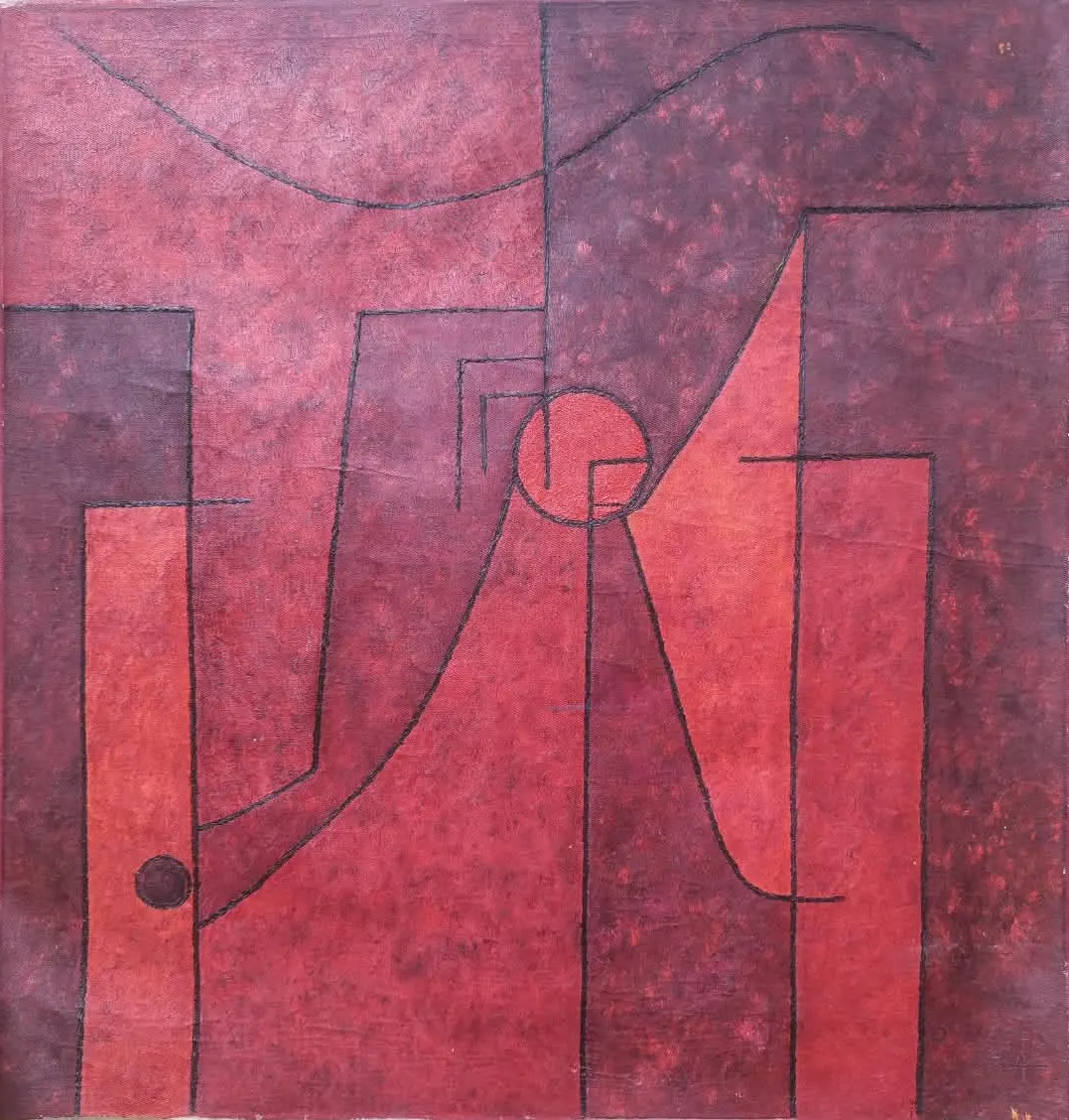
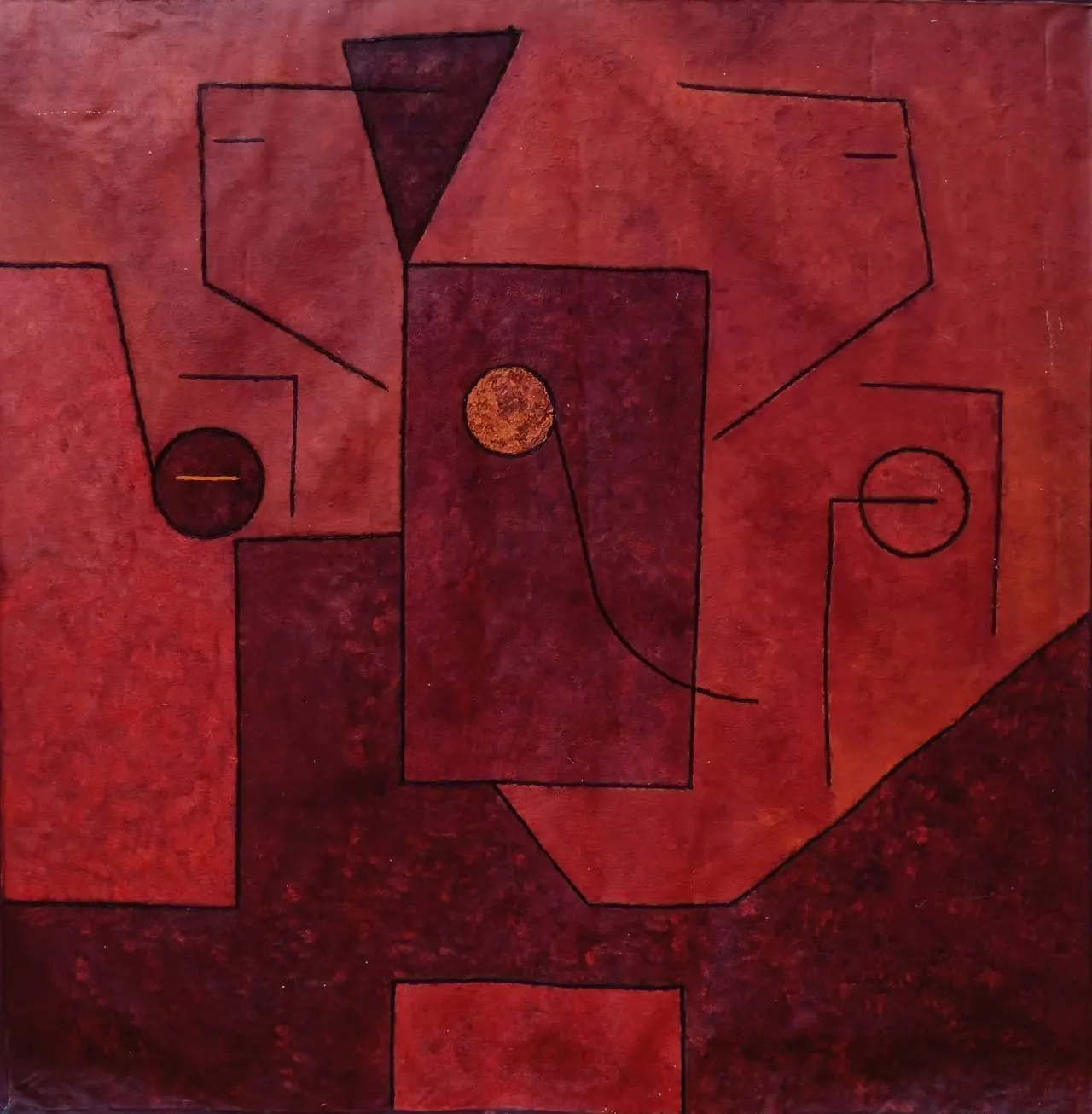
Layered color application, sketching, sculpturally influenced line work, focal entry composition using geometric shapes

Working methods

His working methods are grounded in drawing stylistic direction from traditional African attire and colors, developing conceptual thematic series (such as female torsos reflecting feminine personality or human relationships surrounding Millennium Development Goals), and structuring compositions around a distinct focal entry point. He uses a repeating circular shape or "central eye" in his compositions as the main entry point to guide the viewer's eye into the artwork.

Themes

Community Culture Everyday narratives Memory Social life Urban life

Subjects

Crowds Families Markets Streets Urban environments Workers
05 - Historical context

Gallery Watatu connection

Chris played an integral role behind the scenes at Gallery Watatu, serving at the front reception counter and managing administrative duties during his tenure. Reflecting on its legacy, he believes the essence of Gallery Watatu lives on through its "artistic lineage"—a continuous family tree made up of its original pioneering artists, their students, and subsequent generations of creative descendants.

To successfully reconstruct and revive Gallery Watatu, Chris asserts that the initiative requires an unbiased, art-versed leader who focuses entirely on the art movement and prioritizes the welfare of the artists over financial gain. He advocates for building a unified, trust-based community of artists first, leveraging modern digital platforms and websites to showcase their work and reach a global audience without relying solely on traditional physical gallery models.
06 - Oral history

Conversations with Christopher Owyecha

Video 01

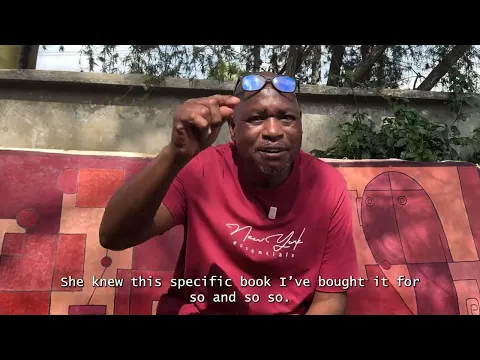
Christopher Owyecha - Ruth Schaffner: The Visionary Behind Gallery Watatu & Kenya's Art Movement

A tribute to **Ruth Schaffner**, whose vision, determination and dedication helped shape Kenya's art scene during the 1980s and 1990s. In this interview, the Christopher recalls Ruth's pioneering role in establishing Gallery Watatu and the…

Watch on YouTube →
07 - Artists & people

Relationships & networks

Owner/Director of Gallery Watatu

Owner/Director of Gallery Watatu

Adama Diawar

Ivorian consular official, art collector, and husband to Ruth Schaffner who provided core support to the gallery.

Ruth Schaffner

Ruth Schaffner

Owner/Director of Gallery Watatu

Owner/Director of Gallery Watatu who employed Chris under a strict non-compete staff contract.

Charles Sekano

Charles Sekano

Mentor / Artistic Influence

South African artist residing in Kenya who continuously encouraged Chris at the gallery counter to start painting.

Modi

Modi

Artistic Encourager

Artist who frequently urged Chris to pursue painting.

08 - Exhibition history

Selected exhibitions

A record of key exhibitions that have showcased the work, vision and journey of the artist.

No exhibitions have been added yet.

09 - Documentation

Archival materials & sources

  • Artist photographs
  • Exhibition catalogues
  • Invitations and posters
  • Artwork photographs
  • Press coverage
  • Letters and correspondence
  • Interview recordings and transcripts
  • Artist interview
  • Gallery archive materials
  • Published articles and reviews
  • Oral histories and personal recollections