
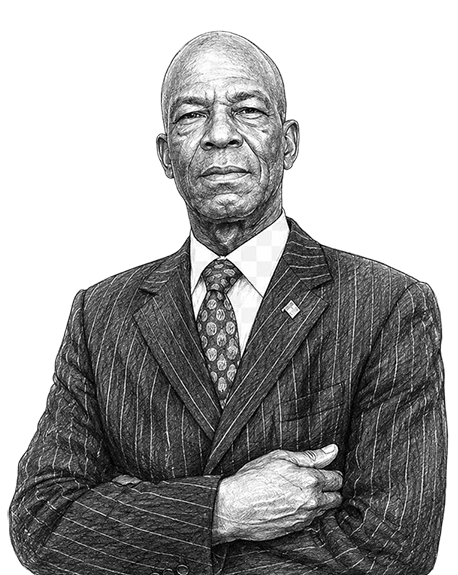
A Life Dedicated to African Art, Culture and Friendship
Few individuals have contributed as profoundly to the growth and appreciation of contemporary East African art as Adama Diawara. A businessman, diplomat, patron of the arts, and cultural ambassador, he devoted his life to building bridges between people, cultures, and nations through a shared appreciation of African creativity.
Born in Côte d’Ivoire, Adama believed deeply in the richness and diversity of Africa’s artistic heritage. Throughout his life, he championed artists, encouraged cultural exchange, and promoted African art with integrity, generosity, and quiet determination. His work would leave a lasting mark not only on Kenya’s artistic landscape but also on the broader story of contemporary African art.
Early Passion for African Art
Long before becoming associated with Gallery Watatu, Adama had developed a deep appreciation for African artistic traditions. Through the Africana Center, he promoted traditional African sculpture and cultural artefacts, introducing visitors and collectors to the remarkable craftsmanship and cultural diversity found across the African continent.
His interest extended beyond collecting. He believed that every sculpture, mask, textile, and handcrafted object reflected the history, beliefs, and identity of the communities that created them. This appreciation for Africa’s artistic heritage would later influence his lifelong commitment to supporting contemporary African artists.
A Shared Vision with Ruth Schaffner
Adama’s greatest partnership was with his wife, Ruth Schaffner, whose passion for contemporary African art matched his own commitment to preserving African culture.
Together, they made the life-changing decision to leave the United States and settle permanently in Nairobi, Kenya. In 1985, they acquired Gallery Watatu, embarking on a journey that would transform one of East Africa’s most respected contemporary art galleries.
Their vision was clear: to create a gallery that celebrated the originality, talent, and diversity of East African artists while introducing their work to collectors, museums, and audiences around the world.
Under their stewardship, Gallery Watatu became far more than an exhibition space. It became a meeting place for artists, collectors, scholars, diplomats, journalists, students, and art lovers—a centre where ideas were exchanged, careers were nurtured, and lifelong friendships were formed.
Many of the region’s most respected artists exhibited at Gallery Watatu during this period, helping establish its reputation as one of the leading contemporary art galleries in East Africa.
Continuing the Legacy of Gallery Watatu
The passing of Ruth Schaffner in 1996 marked a profound personal and professional loss.
Determined to honour the vision they had built together, Adama assumed responsibility for Gallery Watatu and continued guiding the gallery for the next fifteen years.
During this period, he remained steadfast in his commitment to the artists the gallery represented. He continued organising exhibitions, supporting established and emerging artists, building relationships with collectors, and promoting East African contemporary art both locally and internationally.
His leadership ensured that Gallery Watatu remained an important cultural institution and a respected platform for artistic excellence long after Ruth’s passing.
For Adama, Gallery Watatu was never simply a business. It was a lifelong commitment to artists and to the preservation of Africa’s creative heritage.
Diplomatic Service
Alongside his work in the arts, Adama proudly served the Republic of Côte d’Ivoire in Kenya as a diplomat from the early 1990s until 2011.
His diplomatic service reflected many of the same principles that guided his involvement in the arts—respect, dialogue, cultural understanding, and the importance of building lasting relationships.
Throughout his diplomatic career, he represented his country with dignity while continuing to champion African culture and strengthen ties between nations. Whether working within diplomatic circles or supporting artists through Gallery Watatu, Adama remained committed to bringing people together through mutual understanding and shared cultural appreciation.
To him, diplomacy and art were complementary pursuits. Both created opportunities for dialogue, fostered international friendship, and celebrated the richness of African identity.
A Patron, Mentor and Friend
Those who knew Adama remember not only his achievements but also his character.
He possessed a quiet generosity that earned the respect of artists, collectors, diplomats, friends, and colleagues alike. He believed that supporting an artist meant more than exhibiting or selling artwork—it meant encouraging talent, building confidence, and creating opportunities for creative expression to flourish.
Many artists found in Adama not only a gallery owner but also a trusted mentor, advisor, and friend. He understood that behind every artwork stood a person with a story, a dream, and a unique perspective on the world.
His encouragement helped shape careers, while his integrity earned the confidence of collectors and institutions throughout East Africa and beyond.
His Legacy
Adama Diawara’s legacy extends far beyond the walls of Gallery Watatu.
It lives on in the artists whose careers he helped nurture, the exhibitions he organised, the friendships he built, the collectors he introduced to African art, and the countless conversations that inspired greater appreciation for the creativity of the African continent.
His work demonstrated that art is more than an object to be admired—it is a record of culture, a reflection of society, and a bridge between generations.
Today, Diawara & Schaffner Gallery proudly continues the vision that Adama and Ruth shared: preserving the history of East African contemporary art, celebrating its artists, documenting their stories, and inspiring future generations to appreciate the extraordinary cultural heritage of Africa.
Legacy at a Glance
- Born in Côte d’Ivoire.
- Businessman, cultural advocate, and patron of African art.
- Promoted traditional African sculpture through the Africana Center.
- Acquired Gallery Watatu with Ruth Schaffner in 1985.
- Helped transform Gallery Watatu into one of East Africa’s leading contemporary art galleries.
- Continued leading Gallery Watatu following Ruth Schaffner’s passing in 1996.
- Served the Republic of Côte d’Ivoire in Kenya as a diplomat from the early 1990s until 2011.
- Dedicated his life to promoting African artists, fostering cultural dialogue, and preserving Africa’s artistic heritage.
His Enduring Influence
Adama Diawara believed that artists deserve recognition, encouragement, and the opportunity to share their stories with the world.
His life’s work continues through every artist celebrated, every exhibition curated, every archive preserved, and every visitor inspired by Diawara & Schaffner Gallery.
His legacy is not only remembered—it continues to shape the future of East African art.
“The greatest legacy we leave behind is not measured by what we own, but by the people we encourage, the culture we preserve, and the opportunities we create for others.”