Artist profile , Archive record

Jak Katarikawe

Jak Katarikawe was a master storyteller and pioneer of modern East African expressive art. Completely self-taught, he translated oral traditions, dreams, personal relationships, and social commentary into vivid visual narratives.

Born c. 1938 Kigezi (Kabale), Western Uganda Oil paint, wax crayon, pastel, watercolor, woodcut prints
Also known as The "Marc Chagall of Africa"
Training Informal exposure; sat in on classes at Makerere University School of Fine Art upon invitation
Mentor Prof. David Cook
Jak Katarikawe

01 - Photographs

Artist photographs

No artist photographs have been added yet.


02 - Introduction

The artist behind the stories


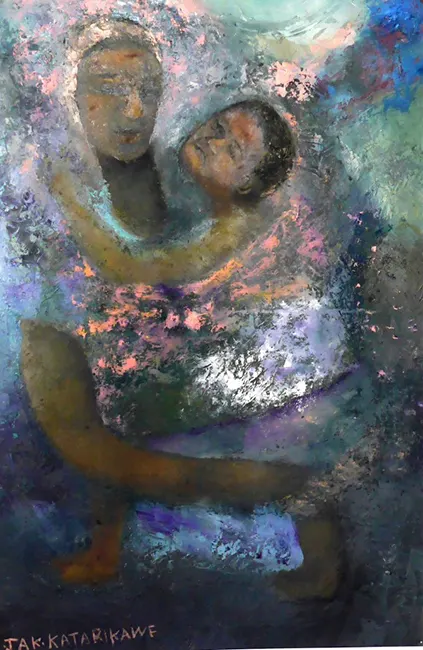
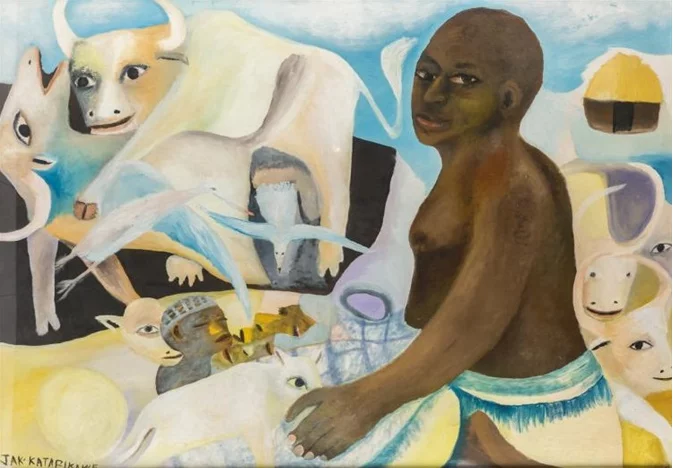
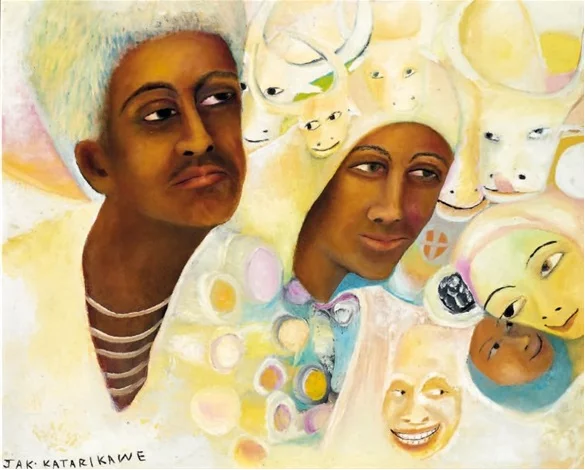
Renowned across the continent and internationally, Katarikawe earned the moniker "Marc Chagall of Africa" due to his poetic, floating figures and expressive use of color. His work bridges Ugandan heritage and the post-independence East African art movement centered in Nairobi.


At a glance

artist's full name
Jak Moses Katarikawe
also known as
The "Marc Chagall of Africa"
born
c. 1938
birthplace
Kigezi (Kabale), Western Uganda
nationality
Ugandan (lived and practiced extensively in Kenya)
medium
Oil paint, wax crayon, pastel, watercolor, woodcut prints
education
Self-taught (No formal primary, secondary, or tertiary education)
training
Informal exposure; sat in on classes at Makerere University School of Fine Art upon invitation
mentor
Prof. David Cook
gallery watatu
Promoted extensively by Ruth Schaffner (owner of Gallery Watatu, Nairobi); one of the gallery's flagship East African masters
known for
Expressive visual storytelling, dreamlike compositions, anthropomorphic animals (cows, birds, elephants), and themes of love, folklore, and socio-political commentary
notable exhibitions
Moderne Kunst aus Afrika / Horizonte '79, West Berlin (1979), Solo retrospective Bilder aus Träumen – Dreaming in Pictures, Museum der Weltkulturen, Frankfurt (2001), Paa Ya Paa Arts Centre & Gallery Watatu solo and group shows, Nairobi (1970s–1990s)
active period
c. 1965 – 2018

Biography

Born in Kigezi (Kabale district) in southwestern Uganda around 1938–1940, Katarikawe was the last born in a large polygamous family. He did not receive formal schooling as his father had retired by his birth. Growing up, he worked various odd jobs, including as a driver, while absorbing artistic influences from his mother’s traditional home decorations.

Lacking formal academic credentials, his artistic journey took a major turn in the late 1960s when literature professor David Cook at Makerere University noticed his talent. Cook provided him with drawing materials and encouraged him to sit in on classes at the university’s Fine Art Department, helping launch his professional career.

In the 1970s, Katarikawe relocated to Nairobi, Kenya, joining the Paa Ya Paa Arts Centre community. His unique style—mixing Ugandan cultural symbolism with dream imagery—quickly drew international critical acclaim.

Katarikawe became one of Gallery Watatu’s most successful artists under the management of Ruth Schaffner during the 1980s and 1990s. His work was featured in major international exhibitions, including in Germany, the UK, Senegal, and the US. His monograph and catalogue raisonné, Bilder aus Träumen – Dreaming in Pictures, was published in 2001 alongside a major retrospective at the Frankfurt Museum of World Cultures. He continued to live and paint in Nairobi until his passing in October 2018.

03 - Education

Education

c. 1965
Developed natural drawing skills inspired by his mother's traditional wall decorations and local folklore.
1967–1969
Invited by Prof. David Cook to sit in on art classes and interact with fine art students at Makerere University, Kampala, without formal enrolment.
04 - Artistic practice

Artistic practice

Materials

Oil paint on hardboard or canvas, wax crayons, pastels, watercolors, woodcut prints, paper.

Techniques

Layered line work, rich brushstrokes, soft blending of wax crayons, expressive figurative distortion, and narrative symbolism.

Working methods

Katarikawe painted intuitively from dreams, memories, and personal stories rather than working from preliminary sketches or live models. He frequently accompanied his artwork with detailed oral narratives explaining the backstory of each piece.

Themes

No themes have been added yet.

Subjects

No subjects have been added yet.

05 - Historical context

Gallery Watatu connection

Jak Katarikawe was one of the central figures associated with Gallery Watatu during its golden era under Ruth Schaffner from the 1980s through the late 1990s. Ruth Schaffner championed his distinct style, marketing his works heavily to international diplomats, expatriates, and global art collectors. The gallery held exclusive representation rights for much of his primary output during this period, establishing him as one of the highest-selling painters in East Africa.

06 - Oral history

Conversations with Jak Katarikawe

No interviews have been added yet.

07 - Artists & people

Relationships & networks

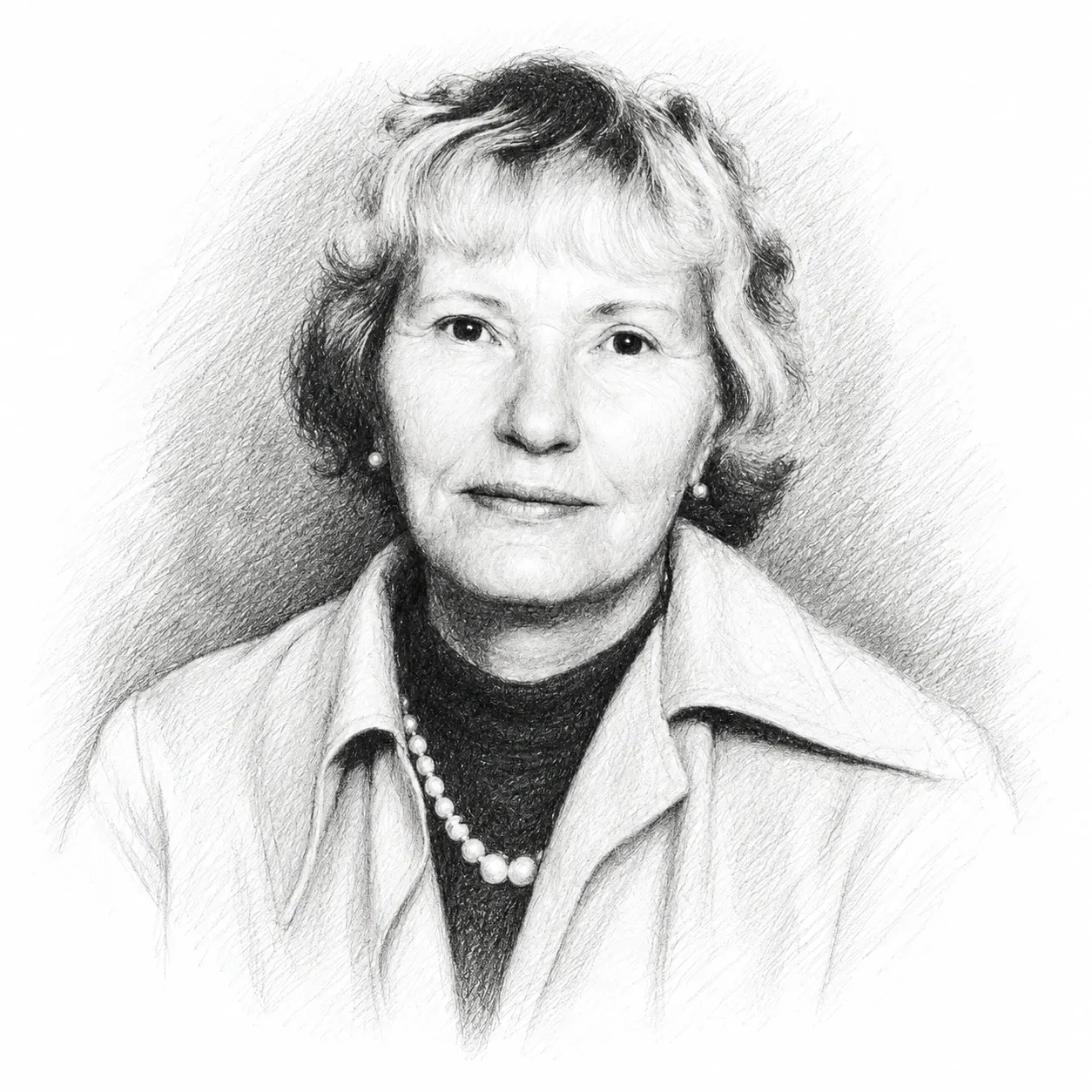
Prof. David Cook

Prof. David Cook

Mentor / Patron

Dean of Arts at Makerere University who recognized Katarikawe's raw talent, provided art supplies, and introduced his work to the academic and artistic community.
Ruth Schaffner

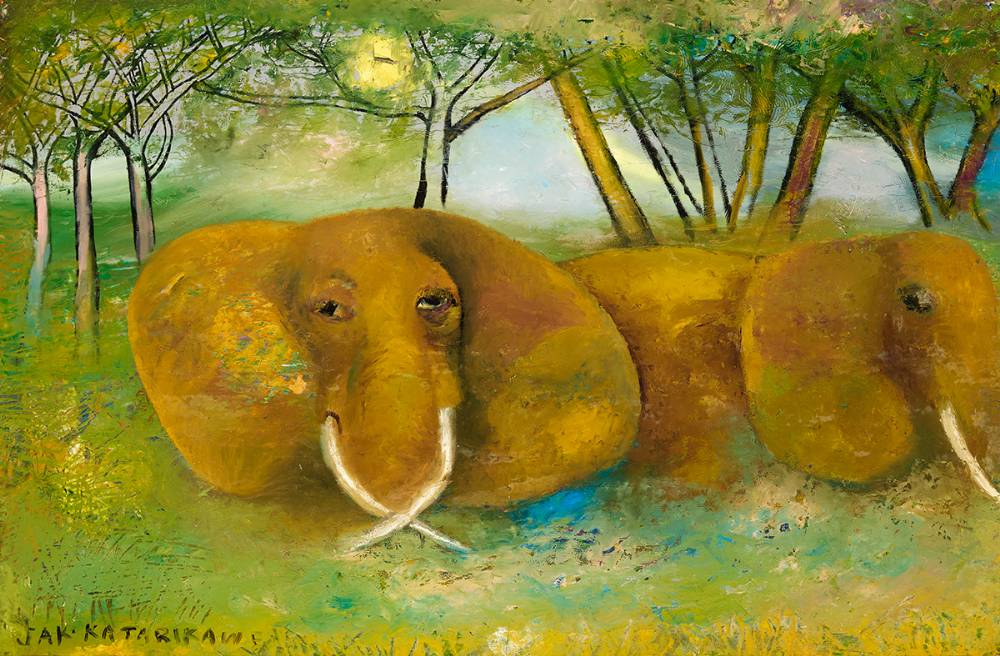
Ruth Schaffner

Gallerist / Manager

Co-owner and director of Gallery Watatu in Nairobi who promoted his work globally, managed his sales, and cemented his position as a commercial and critical success in East Africa.

Florence Katarikawe

Florence Katarikawe

Spouse

Wife and family matriarch who managed their home in Kigezi, Uganda.

08 - Exhibition history

Selected exhibitions

A record of key exhibitions that have showcased the work, vision and journey of the artist.

1979

Moderne Kunst aus Afrika (Horizonte '79)

West Berlin, Germany
1980s–1990s

Solo and Group Shows at Gallery Watatu

Nairobi, Kenya
2001

Bilder aus Träumen – Dreaming in Pictures (Retrospective)

Museum der Weltkulturen, Frankfurt, Germany
09 - Documentation

Archival materials & sources

  • Artist photographs
  • Exhibition catalogues
  • Invitations and posters
  • Artwork photographs
  • Press coverage
  • Letters and correspondence
  • Interview recordings and transcripts
  • Artist interview
  • Gallery archive materials
  • Published articles and reviews
  • Oral histories and personal recollections