
Artist profile , Archive record

Shine Tani

Shine Tani is an influential Kenyan painter, woodcut artist, and community leader whose career spans from street performance to establishing the historic Banana Hill Art Gallery.

Born 1967 Ngecha Location, Kiambu District, Kenya Acrylics on canvas/paper, oil on canvas, woodcut prints, mixed media, and wire/found-object sculpture
Also known as Shine Tani
Training Self-directed; built his artistic practice independently after working as a street performer, acrobatic entertainer, and sign painter in Nairobi during the 1980s
Mentor Self-directed
Shine Tani

01 - Photographs

Artist photographs

No artist photographs have been added yet.


02 - Introduction

The artist behind the stories


Characterized by vibrant brushwork, bold figures, and expressive movement, Tani’s paintings portray daily African life, human resilience, family bonds, and village dynamics with warmth and vitality.


At a glance

artist's full name
Joseph Njenga
also known as
Shine Tani
born
1967
birthplace
Ngecha Location, Kiambu District, Kenya
nationality
Kenyan
medium
Acrylics on canvas/paper, oil on canvas, woodcut prints, mixed media, and wire/found-object sculpture
education
Rironi Primary School (Kiambu); self-taught visual artist
training
Self-directed; built his artistic practice independently after working as a street performer, acrobatic entertainer, and sign painter in Nairobi during the 1980s
mentor
Self-directed
gallery watatu
Entered Gallery Watatu in 1988 when Ruth Schaffner provided him with painting supplies and early stipend support, launching his career as a professional artist
known for
High-energy expressionist depictions of rural and urban community life, bustling markets, traditional ceremonies, maternal bonds, and founding the Banana Hill Art Gallery—one of East Africa's most influential independent art spaces
notable exhibitions
Solo & Group Showcases, Gallery Watatu, Banana Hill Art Studio International Exchanges, Red Hill Art Gallery Group Exhibitions
active period
1988 – Present

Biography

Born in 1967 in Ngecha, Kiambu District, Shine Tani experienced severe economic hardship in his youth. Leaving school after 1983, he spent years on the streets of Nairobi, surviving as an acrobat, magician, and street entertainer. Using savings from his performances, he purchased his first painting materials to develop his drawing skills.

In 1988, Tani brought his early paintings to Gallery Watatu. Recognized by director Ruth Schaffner, he was provided with high-grade art supplies and a monthly living allowance, allowing him to focus on painting full-time. He became an active figure within the Kiambu visual art scene alongside contemporaries from Ngecha and Banana Hill.

In 1992, together with his wife Rahab, Tani opened his doors in Banana Hill (Kiambu County) to support local, self-taught artists with shelter, studio space, art materials, and food. This community evolved into the Banana Hill Art Studio in 1994, formalizing in 2006 into the Banana Hill Art Gallery. Under Tani’s leadership as Gallery Director, it grew from a local collective into a prominent institution representing over 90 artists from across Africa.

Tani continues to curate, mentor upcoming talent, organize international cultural exchanges, and produce original artwork in his Banana Hill studio, serving as a cornerstone of East Africa’s independent art ecosystem.

03 - Education

Education

1977–1983
Attended Rironi Primary School in Kiambu District, earning his Certificate of Primary Education (CPE).
1984–1987
Survived on Nairobi streets as an acrobat, magician, street performer, and sign painter, developing visual storytelling skills before committing to fine art.
1988–Present
Commenced full-time painting in 1988, mastering acrylics, oils, and woodcut techniques through independent experimentation and collective studio work.
04 - Artistic practice

Artistic practice

Materials

Acrylic paints on paper and canvas, oil paints, woodcut carving tools and printing inks, found objects, and wire.

Techniques

Expressionist brushwork, heavy contour lines, high-contrast color palette, textured impasto, and relief printmaking.

Working methods

Paints dynamically, capturing kinetic energy—people dancing, women carrying children, village elders gathering, and market stalls—directly from observational memory and lived experience.

Themes

No themes have been added yet.

Subjects

No subjects have been added yet.

05 - Historical context

Gallery Watatu connection

Gallery Watatu was fundamental to Shine Tani’s career trajectory. Ruth Schaffner's support in 1988 transformed Tani from a struggling street artist into a professional painter. His success at Gallery Watatu inspired him to build a similar support model in Kiambu, culminating in the establishment of the Banana Hill Art Gallery to nurture future generations of East African visual artists.

06 - Oral history

Conversations with Shine Tani

No interviews have been added yet.

07 - Artists & people

Relationships & networks

Rahab Tani

Rahab Tani

Wife & Co-Founder

Partner with whom he founded Banana Hill Art Studio and Gallery in 1992 to support African artists.
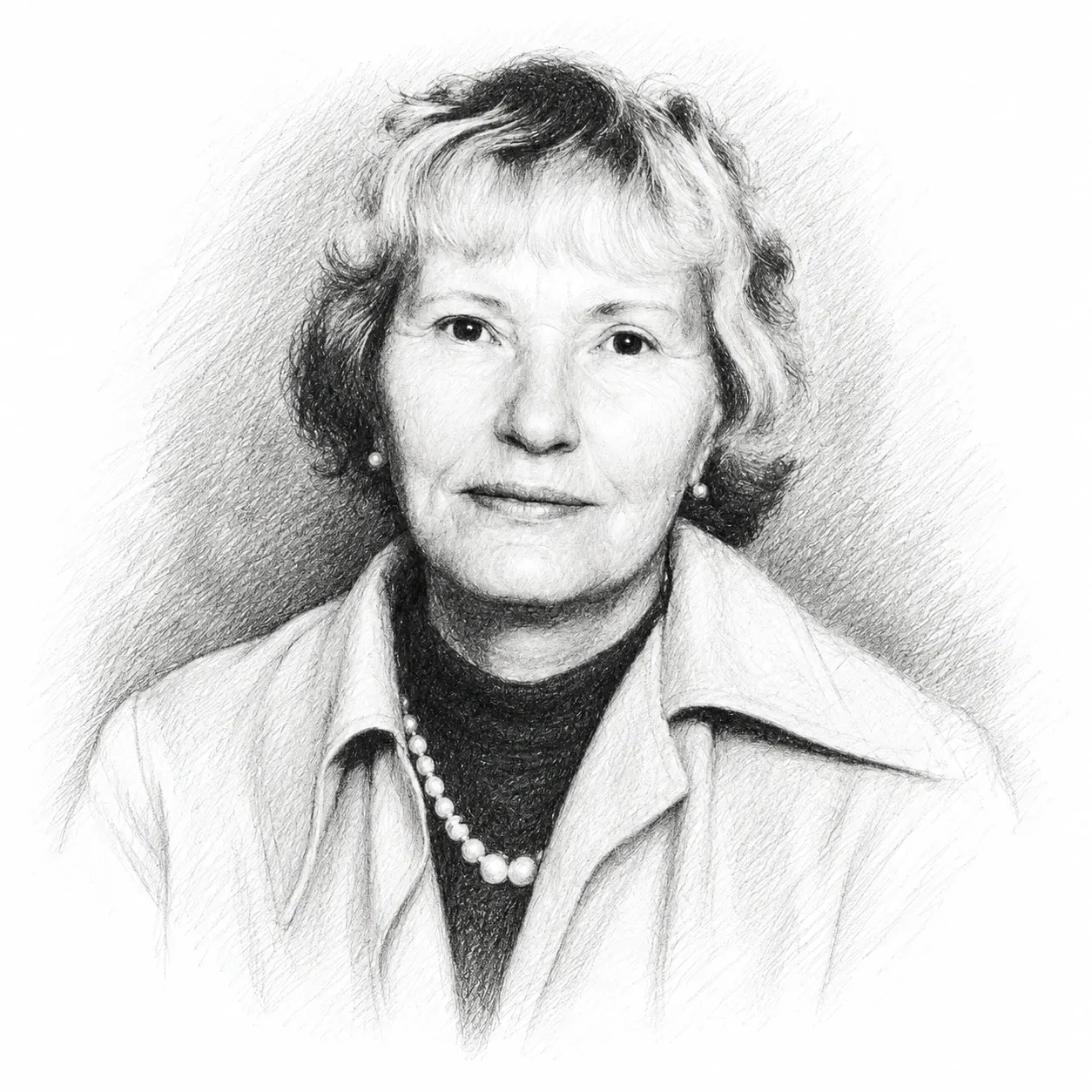
Ruth Schaffner

Ruth Schaffner

Gallerist / Patron

Gallery Watatu director who provided him with crucial early funding, art supplies, and exhibition space in 1988.

Joseph Cartoon & Ngecha Artists

Joseph Cartoon & Ngecha Artists

Mentees / Collaborators

Fellow Kiambu artists who collaborated, trained, and exhibited through the Banana Hill and Ngecha networks.

08 - Exhibition history

Selected exhibitions

A record of key exhibitions that have showcased the work, vision and journey of the artist.

1988–1990s

Gallery Watatu Group & Solo Showcases

Nairobi, Kenya
1992–Present

Banana Hill Art Gallery Permanent & Special Exhibitions

Banana Hill, Kiambu County, Kenya
1990s–2010s

International African Art Showcases

Germany, the Netherlands, Spain, and USA
09 - Documentation

Archival materials & sources

  • Artist photographs
  • Exhibition catalogues
  • Invitations and posters
  • Artwork photographs
  • Press coverage
  • Letters and correspondence
  • Interview recordings and transcripts
  • Artist interview
  • Gallery archive materials
  • Published articles and reviews
  • Oral histories and personal recollections
10 - Selected Works

Works in the Archive

No artworks have been added yet.